
Contents

Author
Eric Vittardi
June 24, 2026
Read Time: Less than 9 Mins
Last Modified: June 24, 2026
Summer jobsite safety means protecting construction crews from three seasonal hazards that spike in hot months: heat-related illness, UV exposure and severe summer weather. Each demands its own protocols — hydration and rest cycles for heat, sun protection for UV, and clear stop-work rules for lightning and high winds. Getting these right prevents injuries and keeps projects on schedule.
Each year, hundreds of workers suffer preventable injuries and illnesses from summer-specific hazards that many contractors overlook.
Between 1992 and 2022, 334 construction workers lost their lives to heat exposure on the job. The construction industry accounted for about 34% of all occupational heat-related deaths.
Between 5 million and 10 million American workers are exposed to outdoor heat beyond safe levels every year. A single heat-related incident can shut down an entire jobsite for days, derailing schedules and triggering costly delays that ripple throughout projects.
Heat exhaustion can quickly progress to life-threatening heatstroke. Sudden thunderstorms create dangerous conditions within minutes. Even seemingly minor sunburns lead to serious long-term health consequences.
Key Takeaways for Summer Jobsite Safety
- Heat illness strikes quickly and can progress from mild symptoms to life-threatening within minutes
- Hydration starts before thirst, so water breaks belong on a schedule, not on demand
- Rest cycles in shade reduce heat strain during peak hours
- Sun-protective PPE limits skin exposure and lowers long-term UV risk
- Construction safety apps help contractors manage their safety requirements during the summer and beyond
Heat-Related Dangers on Construction Sites
Summer temperatures create serious risks for construction workers. When thermometers climb, contractors need to take immediate action to prevent dangerous heat-related conditions.
Heat illness can strike quickly and progress from mild symptoms to life-threatening situations within minutes.
Construction professionals should prioritize three key heat safety components:
- Recognizing warning signs early
- Maintaining proper hydration
- Implementing strategic rest periods
These priorities line up with OSHA’s long-running “Water. Rest. Shade.” campaign, the agency’s core formula for preventing heat illness.
Each summer, hundreds of workers suffer from preventable heat-related incidents. Smart preparation and consistent safety protocols make the difference between a productive summer season and a potentially tragic one.
Recognizing Signs of Heat Exhaustion and Heatstroke
Heat exhaustion often strikes before workers realize something is wrong. Warning signs include:
- heavy sweating
- muscle cramps
- fatigue
- headache
- nausea
- dizziness
If a worker shows these symptoms, they need to move to a cool area immediately.
Heatstroke presents even greater danger with symptoms like high body temperature, confusion, slurred speech, hot/dry skin and possible unconsciousness. Construction professionals should train all team members to identify these signs for themselves and coworkers.
Many heat-related incidents start small but escalate rapidly. Regular check-ins during hot days help catch problems early. First-aid kits should always include instant cold packs and thermometers for emergency response. Thermometers allow workers to monitor body temperature when heat-related symptoms appear, helping determine the severity of the condition and whether medical attention is needed.
Creating Effective Hydration Protocols
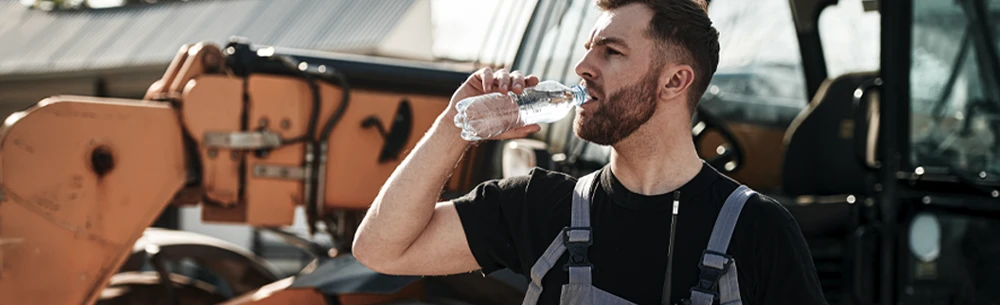
Hydration must start before thirst appears. Construction workers need to drink at least one cup of water every 15-20 minutes when working in hot conditions. Construction companies can establish mandatory water breaks where all activity stops for hydration.
Jobsites should feature multiple water stations with clean, cool drinking water within easy reach of all work areas. Electrolyte replacements become necessary during extended sweating but should complement rather than replace water intake.
Contractors should educate their teams to recognize these warning signs of dehydration in themselves and their peers, which include:
- Dark urine color
- Decreased urination
- Dry mouth
- Headaches
- Irritability
Morning meetings should include reminders about proper hydration throughout the day, especially when forecasts predict extreme heat.
Implementing Rest Schedules During Peak Heat Hours
Work-rest cycles need adjustment based on the heat index, which combines temperature and humidity, along with direct sunlight exposure. Rest periods become critical when temperatures soar past 85°F.
During peak heat (typically 10 AM to 4 PM), workers need more frequent breaks in shaded or air-conditioned areas. Construction companies should schedule the most labor-intensive tasks during early morning or evening hours.
Rest areas should include fans, ice, cooling towels and adequate seating.
New and returning workers are most at risk, since heat tolerance builds gradually through a process called acclimatization, which NIOSH recommends easing in over a worker’s first several days rather than starting at full workload.
Site supervisors must enforce these breaks even when deadlines loom. The body needs recovery time to regulate temperature, especially when wearing required safety gear. Smart scheduling keeps productivity high while protecting workers’ health.
UV Radiation and Outdoor Exposures
Beyond heat concerns, the summer sun bombards construction sites with dangerous ultraviolet radiation. Even on cloudy days, UV rays penetrate the atmosphere and cause skin damage.
Construction workers face higher skin cancer risks due to extended outdoor exposure. Contractors must address both immediate sunburn risks and long-term health impacts from cumulative sun damage.
Sunburns directly impact daily productivity by causing pain, discomfort and limited mobility that slow work pace and increase error rates. Workers suffering from sun exposure often take longer to complete tasks and may require additional days off to recover.
Protective measures require minimal investment but deliver significant health benefits. Many construction companies now include sun protection as part of standard safety training alongside fall protection and equipment operation.
Comprehensive UV protection plans save money on workers’ compensation and lost productivity.
Proper Sunscreen Application for All-Day Coverage
Anyone working in the sun needs to apply sunscreen 30 minutes before outdoor work begins. They need to reapply it every two hours or more frequently when sweating heavily.
Construction businesses should provide workers with sunscreen at multiple locations around the jobsite for easy access.
Construction workers should use broad-spectrum protection with a minimum of SPF 30. The higher the number, the better the protection against skin cancer. Waterproof formulations work better in construction environments but still require regular reapplication.
For maximum effectiveness, workers should apply sunscreen to all exposed skin, including often-forgotten areas like:
- Backs of knees
- Ears
- Back of neck
- Scalp (especially along the hair-part lines)
- Hands
- Lips
- Tops of feet (when wearing sandals during breaks)
Site managers should schedule brief breaks specifically for sunscreen reapplication during long shifts.
Protective Clothing and Equipment for Sun Exposure
Sun-protective clothing provides reliable defense against UV radiation.
Construction workers benefit from lightweight, long-sleeved shirts and pants with UPF ratings. Hard hat attachments like neck shades protect vulnerable areas. Sunglasses with UV protection prevent eye damage and reduce glare that can cause accidents.
Many construction companies now provide cooling vests and breathable fabrics that block the sun while managing heat.
Work gloves should cover the wrists completely. Face coverings like neck gaiters protect the lower face and neck areas.
Construction professionals can achieve full protection without sacrificing mobility or comfort by layering appropriate protective equipment. Modern sun-protective gear comes in high-visibility colors for dual safety benefits.
Summer Storm and Weather Hazards
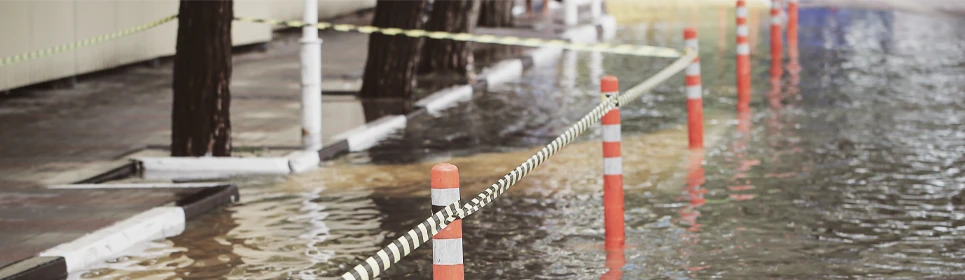
Summer weather brings unpredictable risks to construction sites. Sudden thunderstorms, high winds and flash flooding can transform a normal workday into a dangerous situation within minutes.
Weather monitoring should become standard practice for all jobsite managers. Construction professionals must develop clear action plans for various weather scenarios and communicate these procedures to all workers.
Weather-related accidents increase significantly during the summer months when storms develop quickly and conditions change rapidly. That’s why site preparation before storm season helps mitigate many common hazards.
Lightning Safety Procedures
Lightning strikes remain one of summer’s deadliest threats. Construction sites with tall structures, open areas or metal equipment are particularly vulnerable to this danger.
When thunder sounds, all outdoor work should stop immediately. Workers need to seek shelter in enclosed buildings or vehicles. Never seek shelter from lightning storms under trees or open structures.
The “30-30 rule” helps determine danger: if the time between seeing lightning and hearing thunder is less than 30 seconds, lightning remains too close for safety. Construction professionals should wait 30 minutes after the last thunder before resuming work.
Site supervisors must enforce a complete work stoppage during lightning events, regardless of project deadlines.
OSHA regulations under the General Duty Clause (Section 5(a)(1)) require employers to provide workplaces free from recognized hazards, including lightning strikes.
Following National Weather Service safety guidelines during storms demonstrates compliance with this requirement and protects workers from a known deadly hazard.
Managing Wet and Slippery Surfaces
Rainstorms transform jobsites into hazardous environments even after the precipitation stops.
Slip hazards increase dramatically on wet surfaces. The risk increases even more for surfaces like wooden platforms, scaffolding and metal surfaces.
Construction workers need appropriate footwear with enhanced traction. Contractors should apply anti-slip materials to walking surfaces where possible. Warning signs must identify areas with standing water or wet conditions.
After heavy rain, site inspectors should check for:
- Undermined soil around foundations
- Pooled water near electrical equipment
- Compromised trenches or excavations
Construction companies must allocate time after storms for thorough safety checks before resuming normal operations.
Wind Hazards During Summer Storms
High winds create multiple dangers on construction sites. Summer storms often produce sudden gusts that can reach dangerous speeds with little warning.
Flying debris becomes a serious threat to worker safety. Construction professionals should secure all materials, equipment and temporary structures when wind warnings occur.
Tarps, signage and scaffolding require special attention as these items catch wind easily.
Crane operations must cease when winds exceed safety thresholds. Emergency procedures should include designated shelter locations and accountability systems.
Site managers must continuously monitor changing wind conditions throughout storm events and adjust work activities accordingly.
How SafetyHQ® Helps Protect Your Workforce Year-Round
Summer conditions create multiple safety challenges on construction sites, including:
- Dangerous heat exposure, leading to potential hospitalizations
- Painful sunburns that slow work and increase errors
- Unpredictable summer storms that create hazards
These hazards demand specific protocols and constant vigilance. Smart preparation transforms these risks into manageable situations that protect workers while maintaining productivity.
SafetyHQ specializes in construction-specific safety solutions that evolve with changing seasons. The specialized construction programs address each jobsite’s unique challenges and workforce needs.
The intuitive SafetyHQ mobile platform delivers instant access to critical information when construction professionals need it most.
Proactive contractors recognize that expert partnerships deliver significant returns on safety investments while enhancing efficiency and compliance with jobsite safety regulations. Connect with SafetyHQ’s team today to learn more.
Share Article
Make Your Inbox Smarter
Keep on current news in the construction industry. Subscribe to free eNews!
Related Articles
Why Integrate Accounting and Construction Safety Management
Construction safety management and accounting are two of the most important areas of a successful construction company. A strong safety
Learn More
How Construction RFI Management Affects Your Projects
An RFI might feel routine. Someone needs clarification, so you send off an RFI and move on. But on a
Learn More